Twenty years ago, when Mr. Afolabi Fajemilo and his wife welcomed their first child, who was born with hydrocephalus, they found themselves searching for answers, appropriate medical care and reliable information. It was a difficult journey, one that opened their eyes to the challenges many other families were facing across Nigeria.
Their desire to ensure that other parents did not have to navigate the same journey alone led to the establishment of the Festus Fajemilo Foundation (FFF).
What began as a support group for children living with spina bifida and hydrocephalus and their families has grown into an organisation operating in 10 states across five of Nigeria’s six geopolitical zones.
In celebration of its 20th anniversary, the Foundation organised a series of activities that brought together families, healthcare professionals, disability advocates, government representatives, partners and friends. These included a national webinar, the Stride for Inclusion Walk, and a press conference featuring the launch of its 20-year Impact Report.
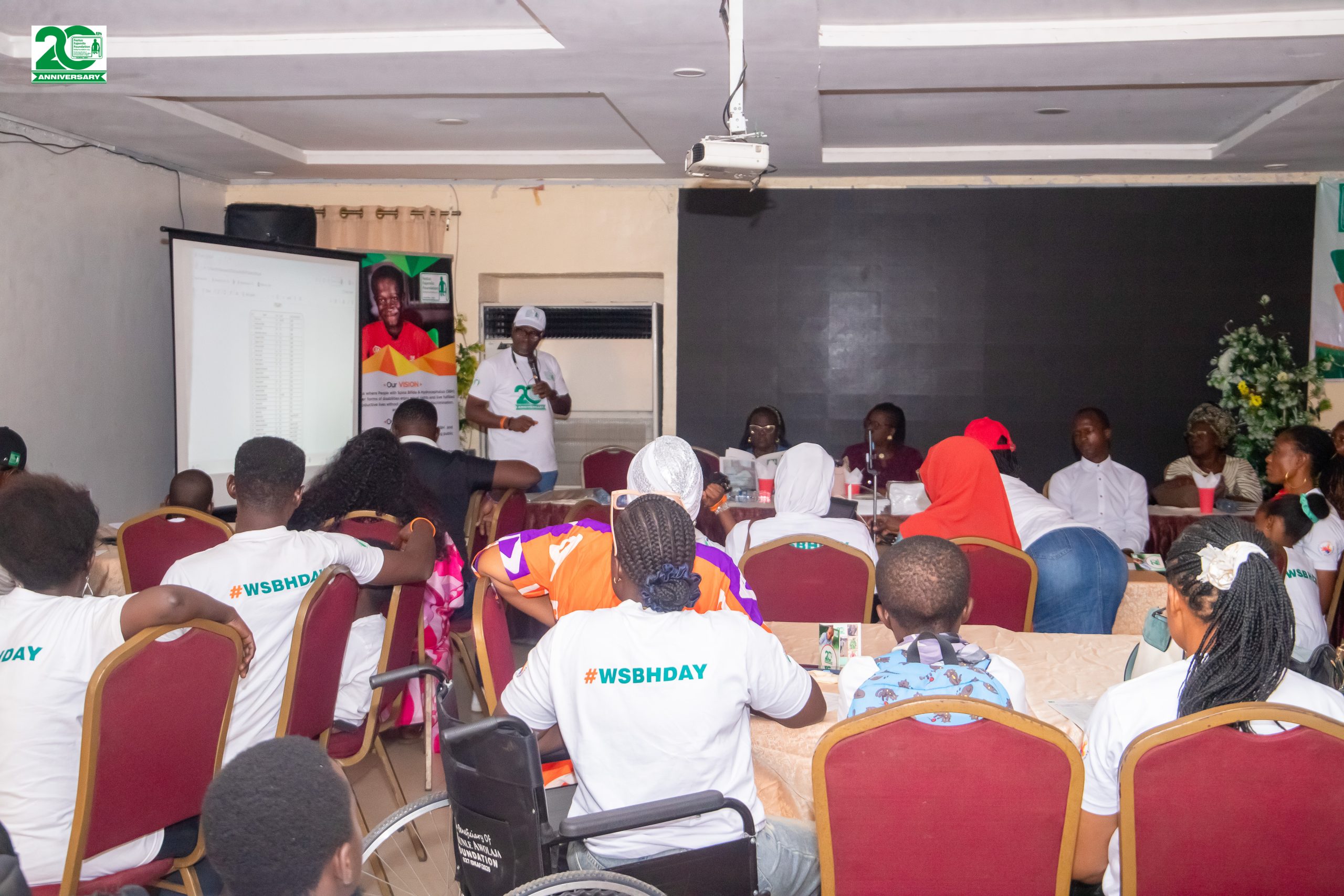
Each event provided an opportunity to reflect on the progress made, celebrate the people behind the Foundation’s journey and renew its commitment to building a more inclusive society.
From Survival to Thriving: Rethinking Care for People Living with Spina Bifida and Hydrocephalus
On October 22, 2026, the Foundation hosted a national webinar themed “From Survival to Thriving: 20 Years of Advancing Spina Bifida and Hydrocephalus in Nigeria.”
The conversation explored prevention, early intervention, lifelong healthcare, independence and the challenges individuals living with spina bifida and hydrocephalus face as they transition into adulthood.
Prof. Edward O. Komolafe, a Consultant Neurosurgeon at Obafemi Awolowo University Teaching Hospitals Complex (OAUTHC), spoke about the importance of prevention, early diagnosis and appropriate medical intervention.
He particularly emphasised the importance of folic acid supplementation before conception in reducing the risk of neural tube defects such as spina bifida.
Although considerable progress has been made over the years, challenges such as late diagnosis, high treatment costs, inadequate healthcare facilities, inappropriate referrals and poor follow-up care continue to affect many families, particularly those living in rural communities.
His presentation reinforced the need for greater public awareness and improved access to affordable, continuous healthcare.
Life Beyond Childhood
One of the important conversations during the webinar centred on what happens when children living with spina bifida and hydrocephalus grow into adults.
Ms. Titi Tade, Director and Head of the Medical Social Services Department at Lagos University Teaching Hospital (LUTH), highlighted the absence of structured adolescent healthcare pathways in Nigeria.
For many years, much of the attention has understandably been placed on helping children survive and receive essential medical treatment. However, as these children grow older, their needs change.
They begin to think about education, employment, relationships, independence and their future.
Ms. Tade stressed the importance of involving young people in decisions about their own health and wellbeing, while helping families prepare for the transition from childhood to adulthood.
She also called for better psychological support, accessible education, self-care training and stronger collaboration between healthcare institutions and families.
Survival is an important achievement, but it should not be the limit of what we hope for every child.
Listening to People with Lived Experience
The webinar also featured Ngozi Onwuemene, a 42-year-old educator, online tutor and self-advocate living with spina bifida.
Ngozi shared her experiences growing up, pursuing her master’s degree and building a career as a teacher while dealing with recurring leg pain, stigma and accessibility challenges.
She acknowledged the support of her family throughout her journey and drew attention to the need for accessible restrooms in schools and workplaces.
Her story highlighted how everyday barriers can affect a person’s ability to study, work and participate fully in society.
True inclusion means creating environments where people with disabilities can pursue their ambitions without unnecessary barriers and with the dignity they deserve.
Taking Inclusion to the Streets of Lagos
Two days after the national webinar, on Saturday, October 24, 2026, the Foundation took its message of inclusion beyond the conference space and onto the streets of Ikeja, Lagos.
The Stride for Inclusion Walk, organised as part of the anniversary celebrations and in commemoration of World Spina Bifida and Hydrocephalus Day, brought together 68 participants, including children, parents, volunteers, healthcare professionals, board members and friends of the Foundation.
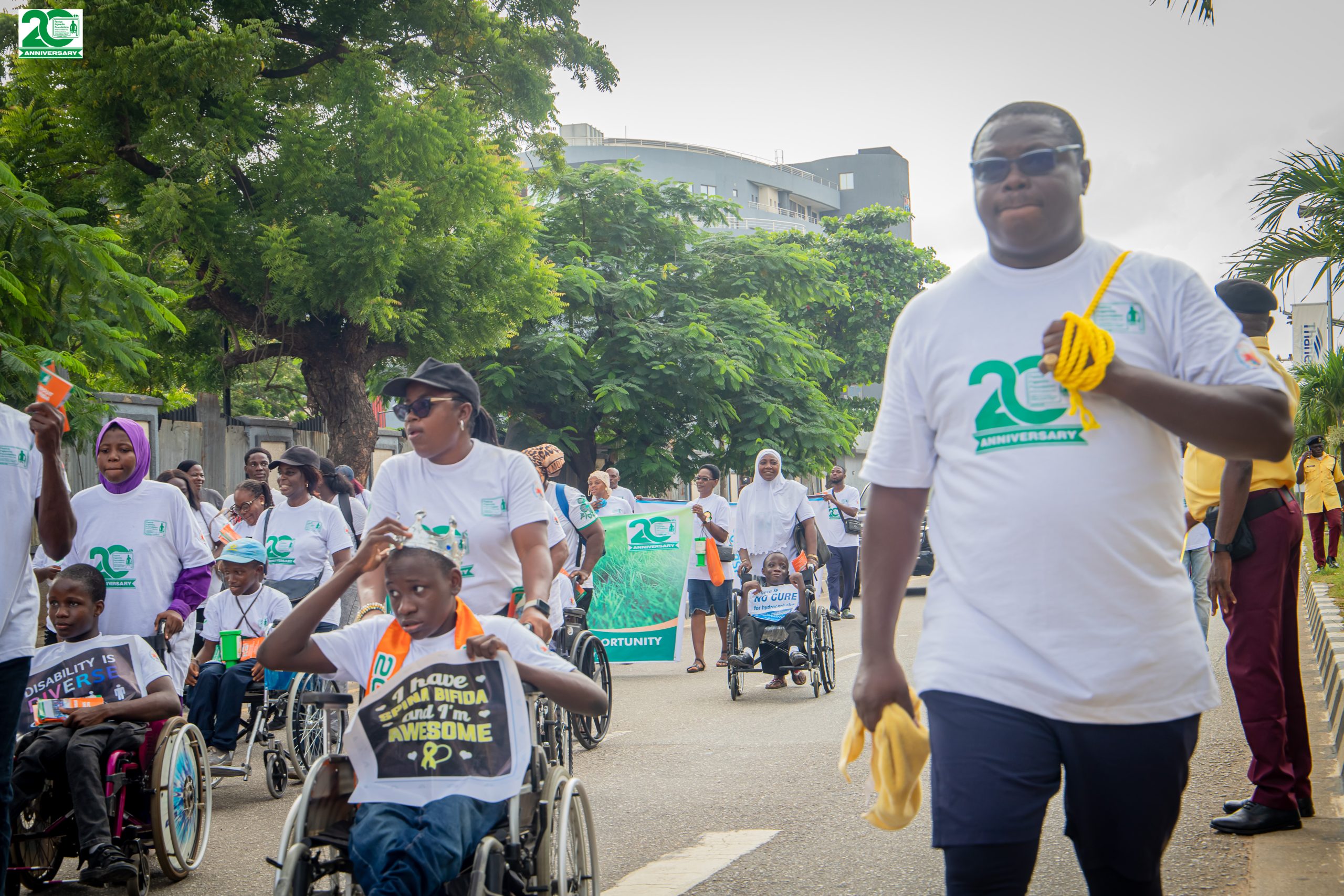
Participants gathered at JJT Park and Garden before proceeding through the Lagos State Secretariat area, Awolowo Way and Allen Junction.
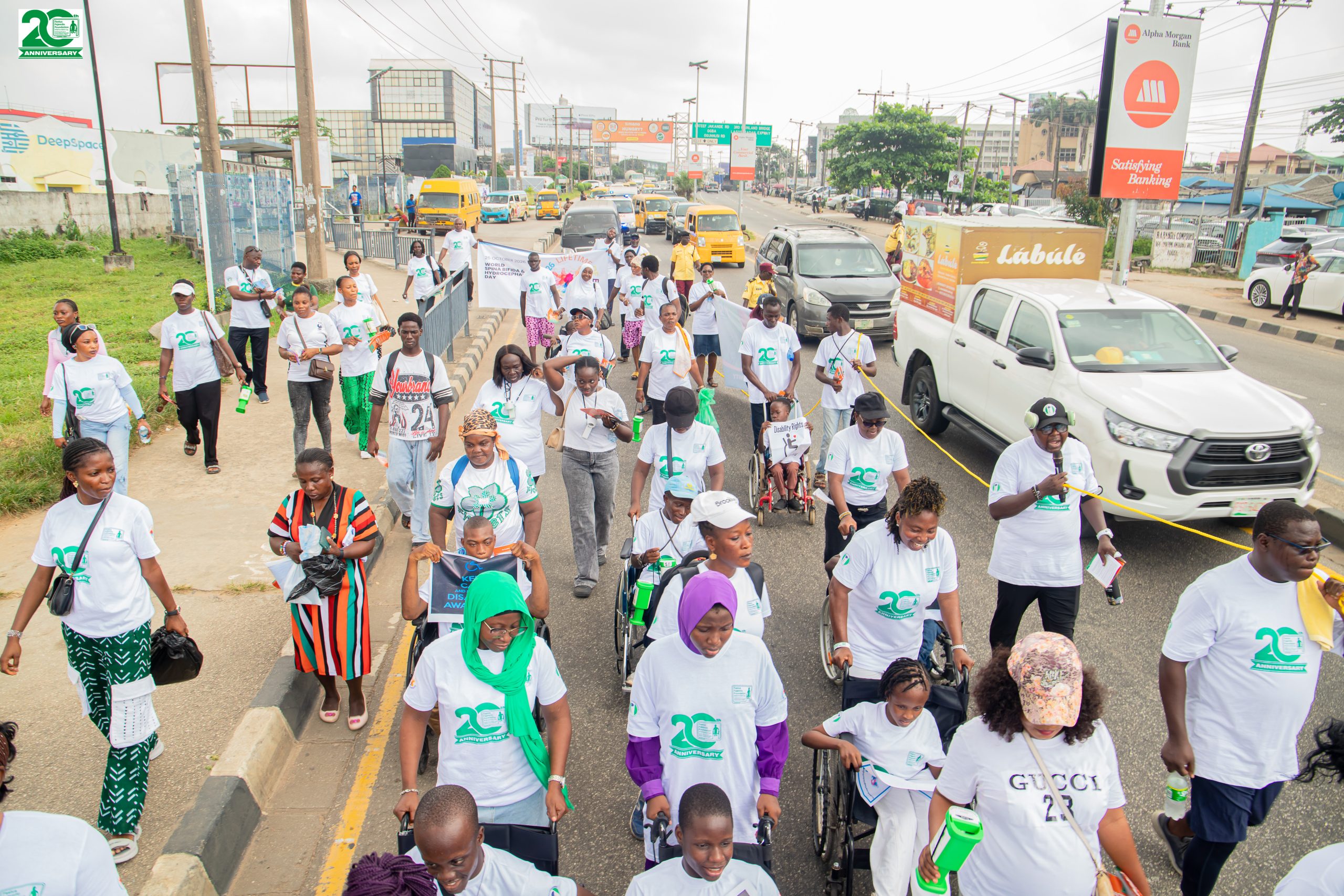
With music accompanying the walk, participants engaged motorists, pedestrians, residents and business owners, distributing educational materials and sharing information about spina bifida and hydrocephalus.
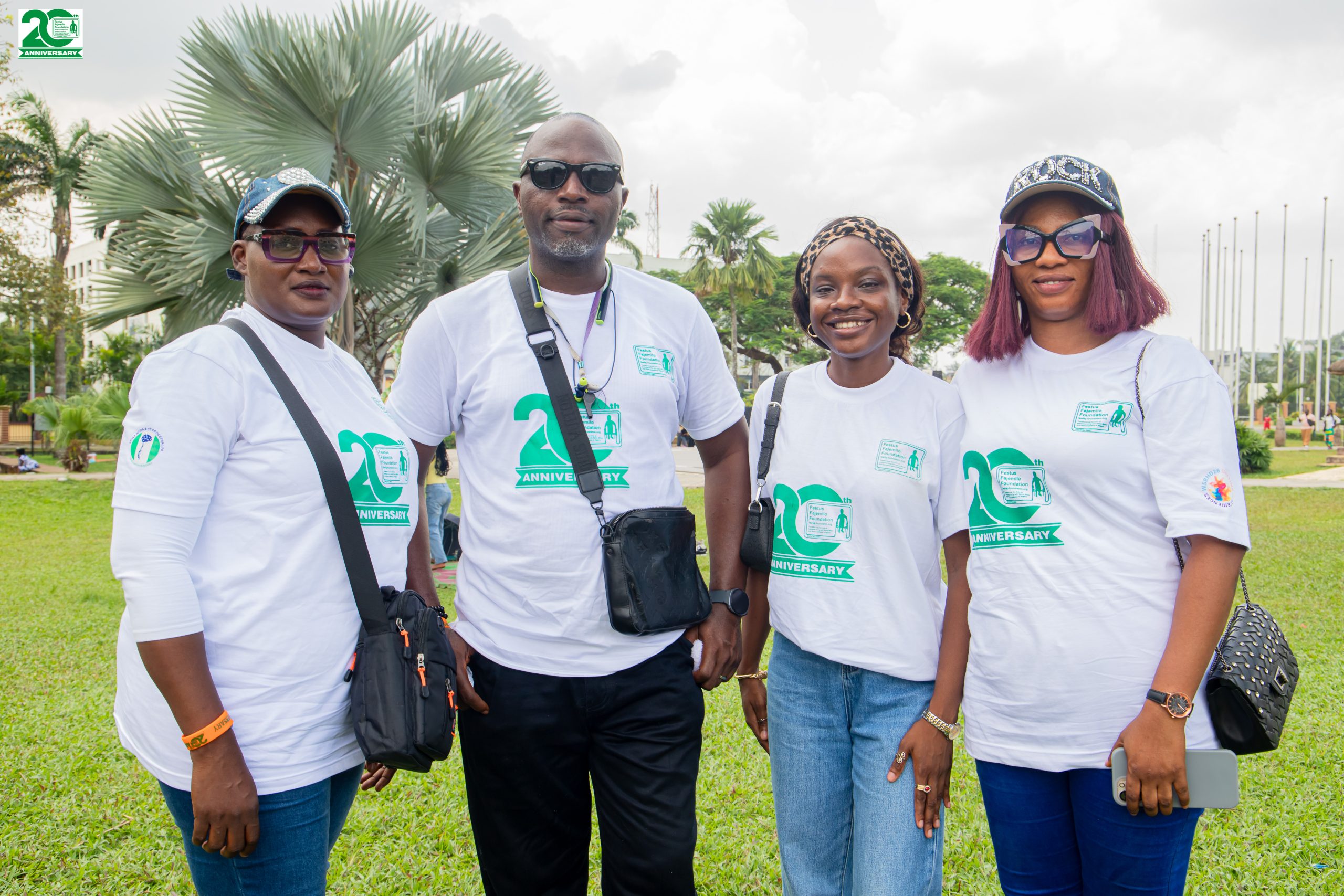
The walk was an opportunity to address misconceptions, challenge stigma and encourage the public to recognise the rights and abilities of people living with disabilities.
More than 300 Lagos residents were reached directly through the distribution of educational materials, while the Foundation estimates that over three million people were reached indirectly through print and electronic media coverage.
Media organisations including THISDAY, The Nation, Lagos State Television (LTV) and News Central helped amplify the message beyond the streets of Ikeja.
Personnel of the Lagos State Traffic Management Authority (LASTMA) were also present to assist with traffic management throughout the walk.
A Day of Friendship and Community
After the walk, participants returned to JJT Park, where families, volunteers and supporters enjoyed refreshments and spent time together.
Another lovely moment was the presentation of back-to-school bags to 12 young beneficiaries of the Foundation, generously donated by Mrs. Onasanya, based in the United States.
For families who regularly navigate medical appointments, treatment expenses and accessibility challenges, opportunities to come together, relax and connect with others who understand their experiences are valuable.
The Foundation appreciates the organisations that supported the event, including the Dele Arigbabu Neurosurgical Foundation, Neurokids, Christ Outreach on Disabilities (CODISA), Lagos State Office for Disability Affairs (LASODA) and the Spina Bifida and Hydrocephalus Association of Nigeria (SBHAN).
The walk may have lasted only a few hours, but the responsibility of building an inclusive society continues every day.
Twenty Years of Changing Lives: The Anniversary Press Conference and Impact Report Launch
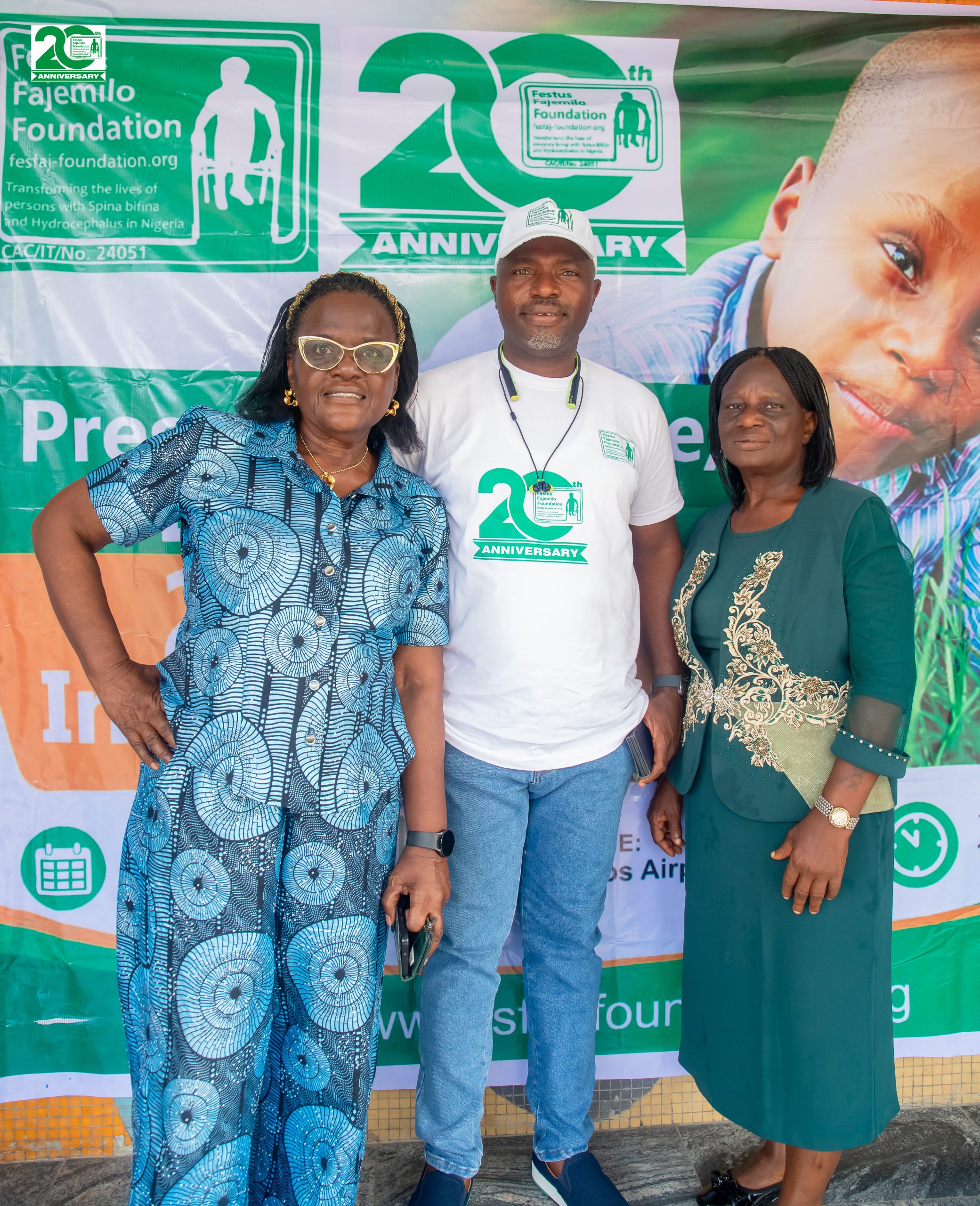
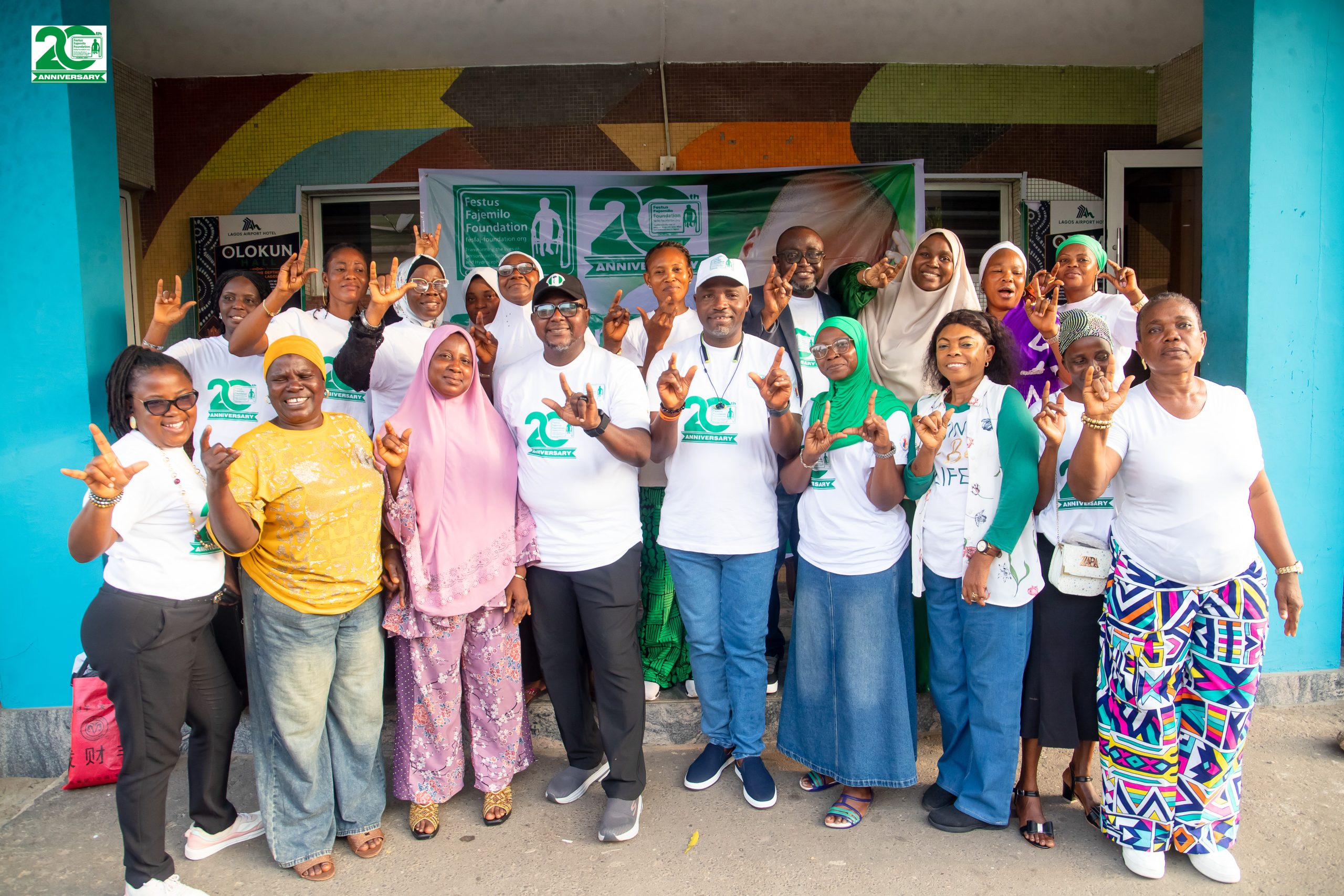
On November 5, 2026, the anniversary celebrations continued at the Olumo Hall, Lagos Airport Hotel, Ikeja, where the Foundation hosted its press conference and formally launched its 20-year Impact Report.
The event brought together 71 participants, including beneficiaries, families, healthcare professionals, government representatives, board members, volunteers and members of the press.
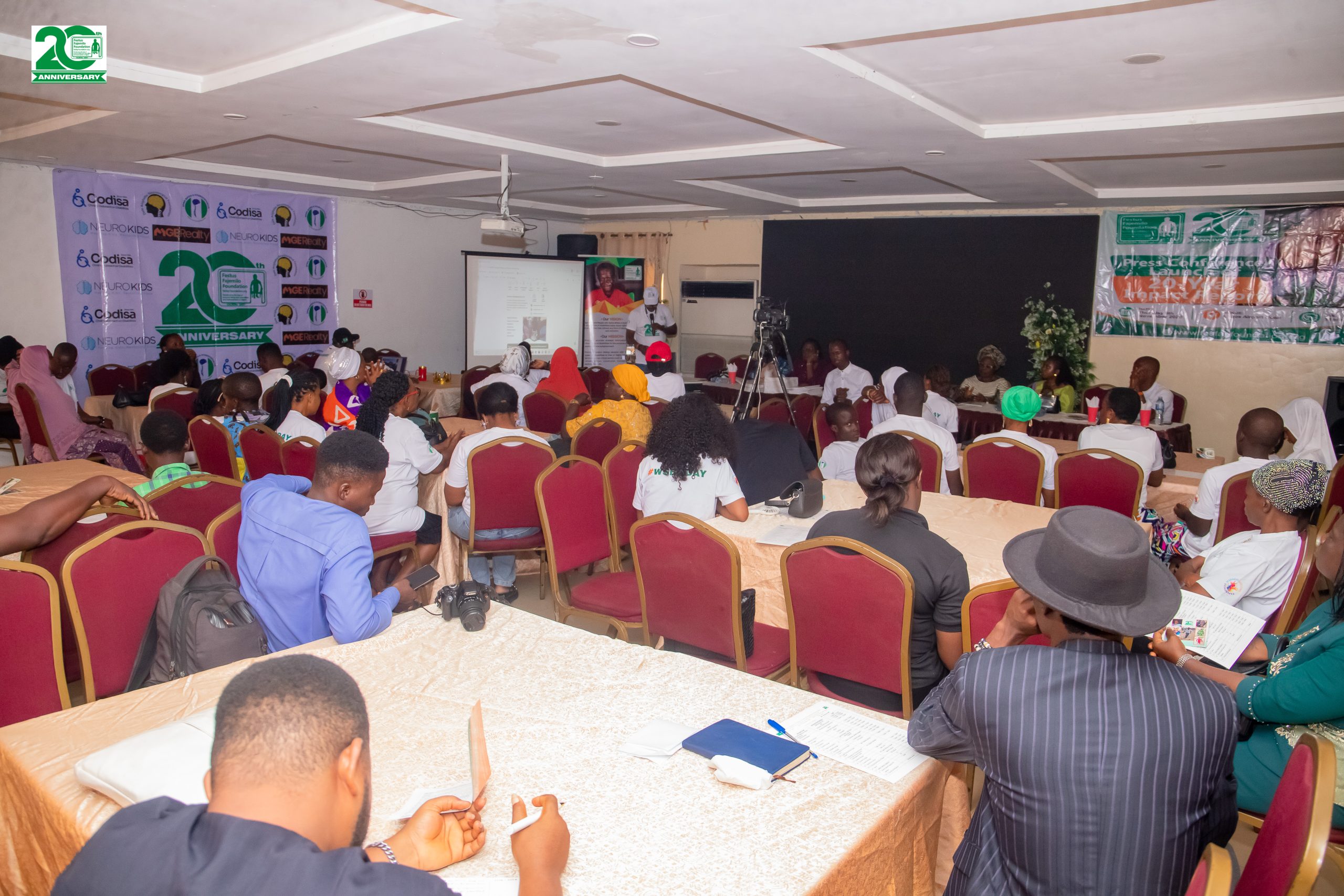
Among the distinguished guests were a representative of the Permanent Secretary of the Lagos State Ministry of Health and Mrs. Tokunbo Johnson, Director of Liham Schools.
Six media organisations — The Punch, THISDAY, News Central, Lagos State Television, The Nation and The Guardian — were also in attendance.
While the occasion celebrated the Foundation’s achievements, it was equally an opportunity to hear from the people whose lives have been touched by its work.
Children living with spina bifida and hydrocephalus made presentations, while three parents shared their personal experiences of receiving support from the Foundation.
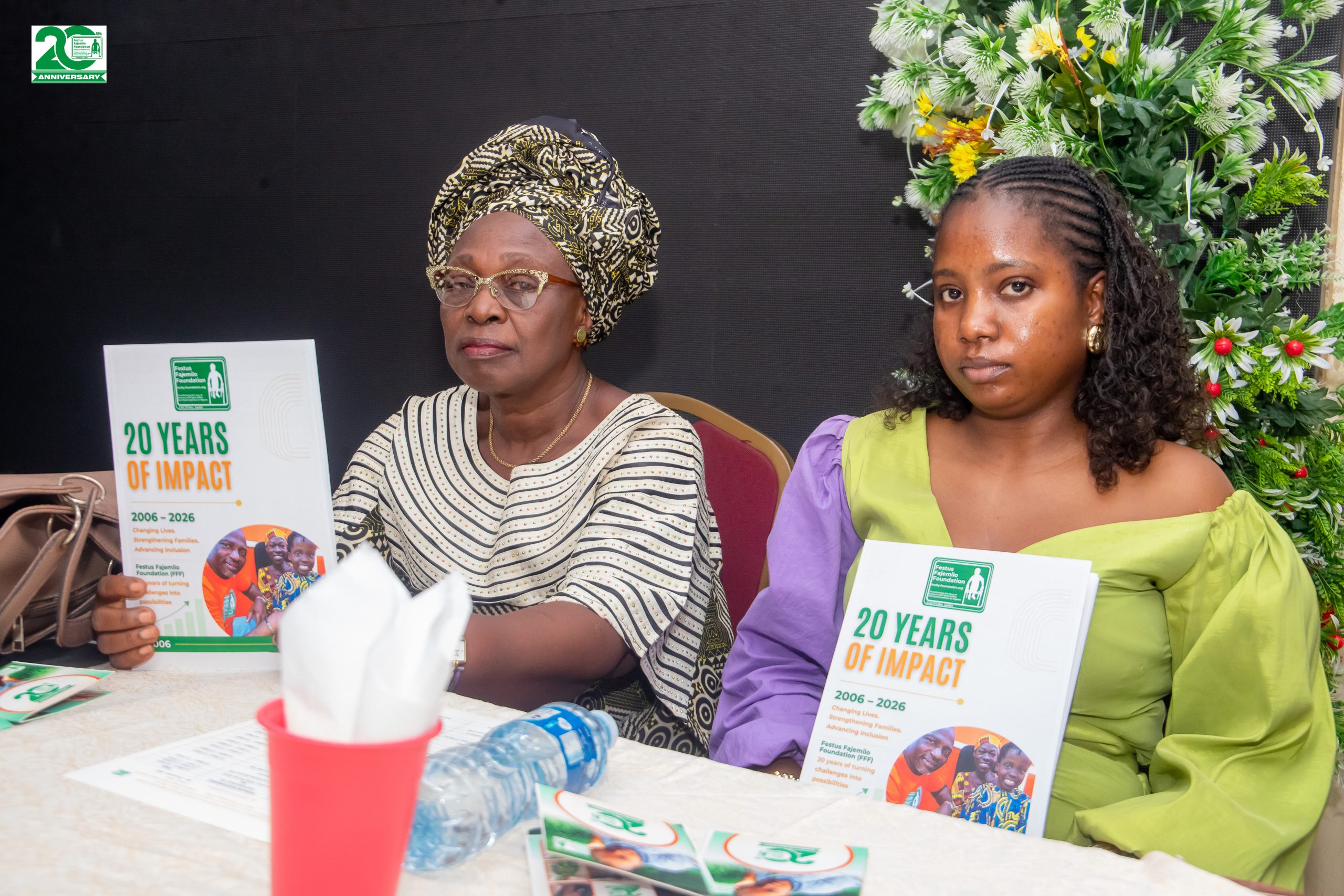
They spoke about the uncertainty they faced when they first learned about their children’s conditions and how the Foundation helped them access information, guidance and opportunities.
Their testimonies brought a human perspective to the achievements being celebrated.
A minute of silence was also observed in remembrance of the children the Foundation had lost over the years. Their memories remain an important part of the Foundation’s journey and its commitment to improving the lives of others.
Two Decades of Meaningful Impact
Presenting the Impact Report, the Executive Director, Mr. Afolabi Fajemilo, reflected on the Foundation’s humble beginnings and how its work has expanded over the past two decades.
From providing a safe space for parents to developing programmes that address healthcare, education, family empowerment and disability inclusion, the Foundation has continued to respond to the needs of the communities it serves.
Among its achievements over the past 20 years are:
- Improved wellbeing for up to 400 children and adults living with spina bifida and hydrocephalus through continence management care.
- Life-saving brain and spinal repair surgeries for 84 children living with spina bifida and hydrocephalus.
- Improved learning outcomes for more than 3,000 children with disabilities in inclusive schools across Lagos State.
- Increased livelihood support and empowerment opportunities for persons with disabilities.
- Expansion of the Foundation’s activities to 10 states across five geopolitical zones in Nigeria.
Behind these figures are children who have received essential medical care, families who have found support during difficult periods and individuals who have gained access to educational and livelihood opportunities.
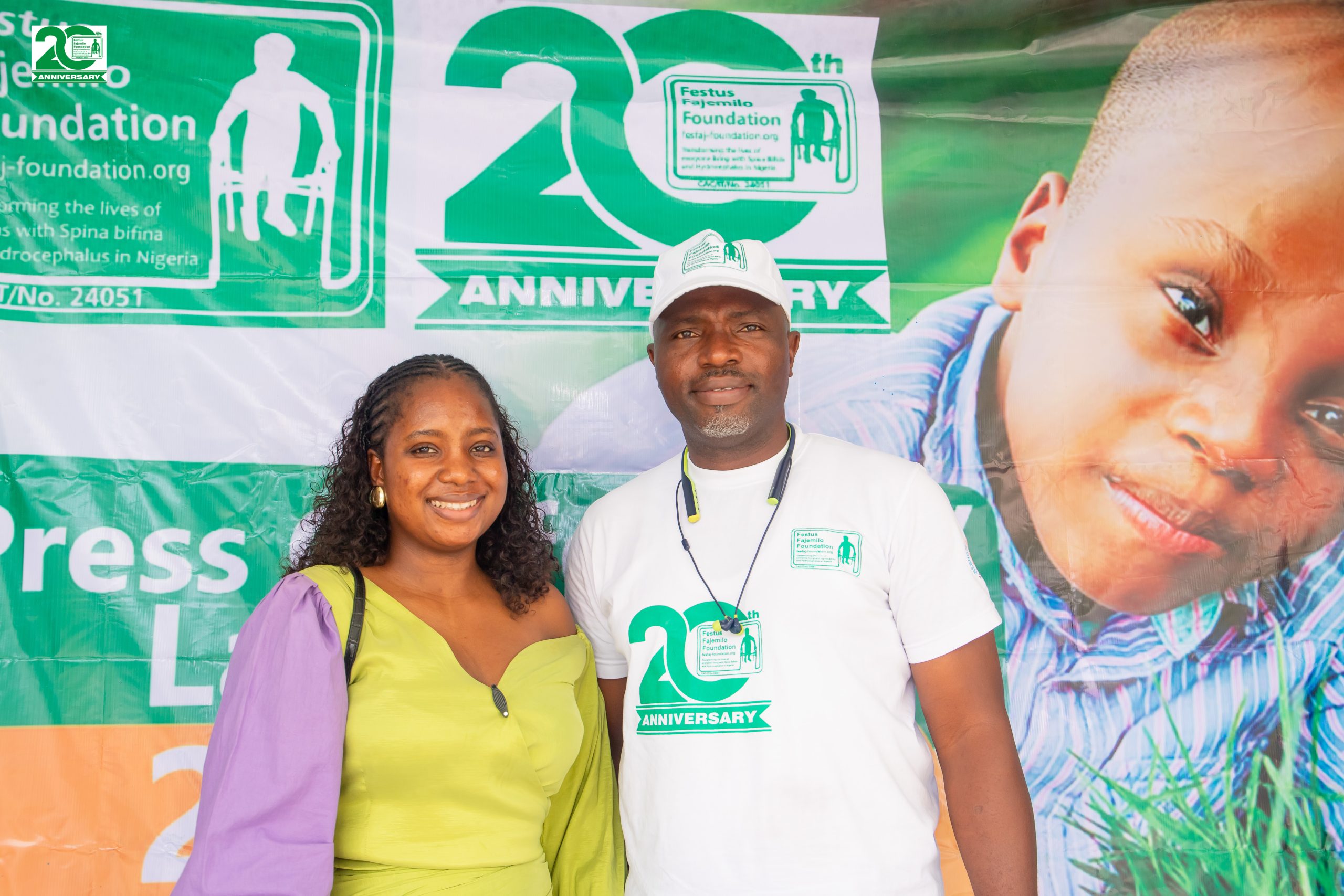
The Impact Report was formally launched by Mrs. Tokunbo Johnson, Director of Liham Schools, marking an important milestone in the Foundation’s history.
Prevent, Support and Empower: Building a Better Future
As the Foundation enters a new chapter, its strategic direction will continue to be guided by three flagship programmes: Prevent, Support and Empower (PSE).
Prevent — Healthy Beginnings
Promoting awareness and preventive measures that can reduce the occurrence of certain birth defects, while encouraging informed maternal healthcare decisions.
Support — Living Well with Spina Bifida and Hydrocephalus
Improving access to healthcare, continence management, family education and continuous support that enables individuals to enjoy a better quality of life.
Empower — Creating Inclusive Futures
Expanding access to education, life skills, livelihood opportunities and meaningful participation in society for persons with disabilities.
These programmes recognise that the needs of people living with spina bifida and hydrocephalus extend far beyond medical treatment.
Surgery may be the beginning of the journey, but access to education, rehabilitation, social support and opportunities for independence are equally important.
A Vision for a Dedicated Spina Bifida and Hydrocephalus Centre
One of the significant highlights of the anniversary press conference was the presentation of the proposed design for the Foundation’s Centre for Spina Bifida and Hydrocephalus.
Presented by the Chairman of the Anniversary Committee, Arc. Hassan Funmilayo, the proposed Centre is envisioned as an accessible and welcoming environment dedicated to supporting children living with spina bifida and hydrocephalus.
The plans include accessible spaces for children, administrative and research facilities, as well as a transit home for patients and families travelling long distances to access care.
For families who often have to travel away from home in search of medical attention, the proposed transit home could help ease some of the difficulties associated with accessing treatment.
The Centre represents an important part of the Foundation’s vision for more coordinated and sustainable support for individuals living with spina bifida and hydrocephalus and their families.
The Next Twenty Years: Making Inclusion a Lived Reality
Celebrating 20 years is not only about looking back at what has been achieved. It is also about recognising the work that remains.
The Foundation’s vision for 2046 is a society where inclusion is experienced in everyday life, rather than existing only in policies and public discussions.
Achieving this will require stronger partnerships between government institutions, healthcare providers, civil society organisations, families and persons with disabilities.
It will require affordable healthcare, accessible schools, better employment opportunities, supportive communities and the active involvement of people with disabilities in decisions that affect their lives.
As we look ahead, our priorities remain better health, stronger families, greater inclusion, stronger systems and long-term sustainability.
We sincerely appreciate every parent, child, volunteer, donor, healthcare professional, media organisation, government institution and partner who has contributed to our journey over the past two decades.
What began with one family’s search for answers has grown into a shared commitment to improving the lives of thousands of people.
There is still much to do, and we remain committed to doing it together.
Twenty years of impact. Twenty years of hope. A renewed commitment to a future where everyone belongs.
Join the Festus Fajemilo Foundation as we continue to advocate, support and empower individuals living with spina bifida and hydrocephalus across Nigeria.
From Survival to Thriving — Nothing About Us Without Us.