Leaving No Child Behind
During the Pandemic.
When COVID-19 shut schools across Nigeria, children with disabilities were excluded from government e-learning. FFF and its partners intervened to make education accessible to every child.
A Pandemic Left Children with Disabilities Behind.
The COVID-19 pandemic forced schools across Nigeria to close from mid-March 2020. In response, national and Lagos State education agencies adopted radio, TV, and social media platforms to deliver classes to primary and secondary school pupils.
However, a careful appraisal of these media-based classes in Lagos State revealed a critical failure: near-total absence of provisions for the inclusion of children with disabilities (CWDs).
Despite the Lagos State government's own legal frameworks recognising the rights of CWDs to quality and functional education — and despite JONAPWD's formal representations to the Ministry of Education and LASUBEB — the situation remained unchanged. These children were being left behind.
Goal & Objectives
Designed to ensure no child with a disability was excluded from education during the COVID-19 lockdown in Lagos State.
Equal Participation & Inclusion of Children and Youngsters
with Disabilities in Government E-Learning.
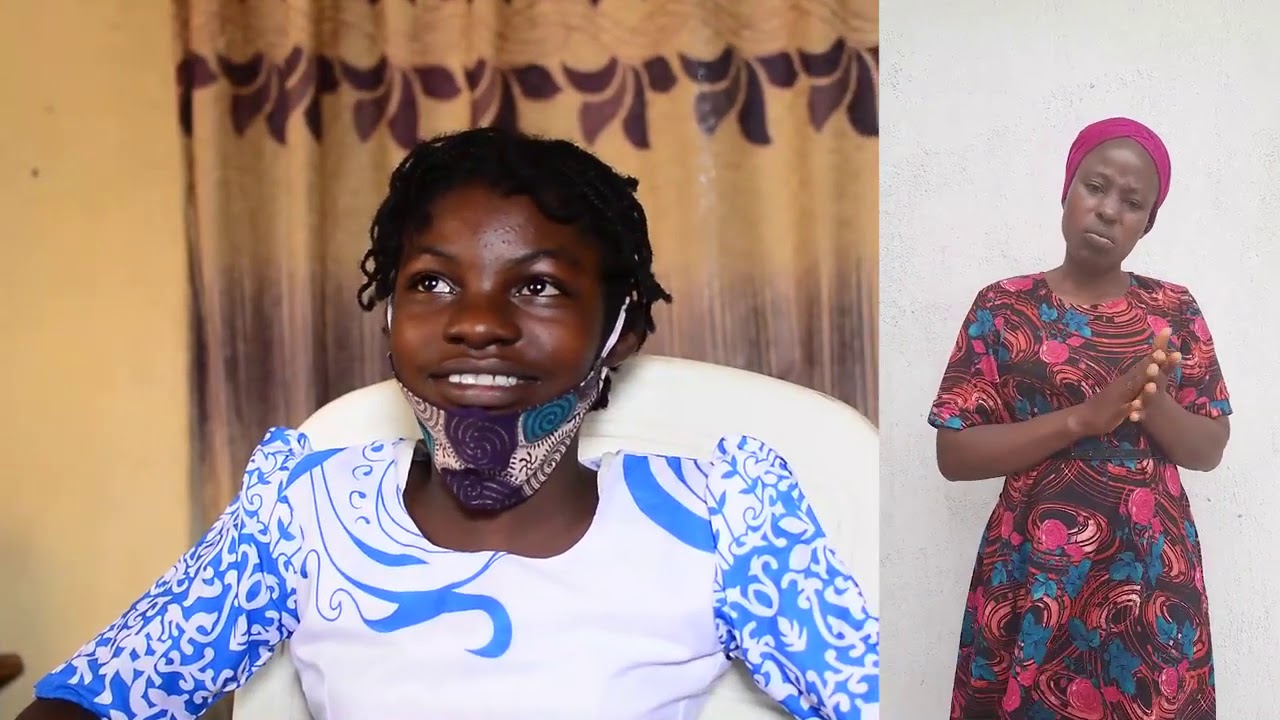
Sign Language Interpretation
Adapt audio-visual e-learning instructions into sign language interpreted content for children with hearing disabilities across radio, TV, and social media platforms.
Accessible Infographics & Content
Adapt appropriate infographics and simplified content for children with intellectual and learning disabilities — making complex instructions genuinely understandable.
Instructor Capacity Building
Strengthen the capacity of e-class instructors in the use of appropriate disability-inclusive language for children with visual and intellectual/learning disabilities.
Parent & Guardian Awareness
Raise awareness among parents and guardians of CWDs about the availability and effective use of media platforms for delivering school lessons during the lockdown.
Key Activities
Four targeted activities implemented to ensure every child with a disability could access quality education during the COVID-19 lockdown.
Sign Language Interpreter Deployment
Mobilisation and deployment of qualified sign language interpreters for the adaptation of ongoing e-classes on radio, TV, and social media platforms — making lessons accessible to children with hearing disabilities.
Separate Special Primary-Level Classes
Adaptation of separate special primary-level e-classes for children with hearing, visual, and intellectual/learning disabilities respectively — meeting their basic and elementary school needs.
Online Disability-Inclusive Skills Training
Short online training on Disability Inclusive Skills for instructors already being used for e-classes on radio, TV, and social media — building lasting capacity in the education sector.
Media Engagement & Stakeholder Sensitisation
Media engagement through radio, TV, and social media; outreach to head teachers of all 44 inclusive schools and 5 special schools in Lagos; and engagement through DPO and CSO leaders.
Outputs & Expected Impact
Concrete deliverables produced by the project and the learning outcomes anticipated for children and youngsters with disabilities.
Project Deliverables
Sign language interpreters provided for adaptation of e-classes on radio, TV, and social media platforms
Appropriate infographics and simplified content available for children with intellectual and learning disabilities
Radio and TV e-class instructors able to communicate using disability-inclusive language for children with visual and intellectual/learning disabilities
Parents and guardians of CWDs aware of e-classes on radio, TV, and social media and able to support their children's effective participation
Expected Results
The e-classes were designed to help CYWDs sustain memory of knowledge gained in the previous school term before the COVID-19 lockdown — preventing the loss of academic progress during the closure.
At the same time, the intervention aimed to help children prepare for the upcoming third term, which had been delayed due to the pandemic.
Children and youngsters with disabilities were also expected to acquire additional learning skills using social media platforms — building digital literacy alongside academic content.
Beyond the immediate project period, the capacity built in instructors and the accessible content frameworks created were designed to outlast the lockdown and improve disability inclusion in Lagos State education permanently.
Read the Report & Watch the Documentary
The full report of FFF's COVID-19 E-Learning Programme for children with disabilities in Lagos State is available to download. A documentary film was also produced — watch it on YouTube.
Trusted Partners & Members