Saving Lives.
Improving
Futures.
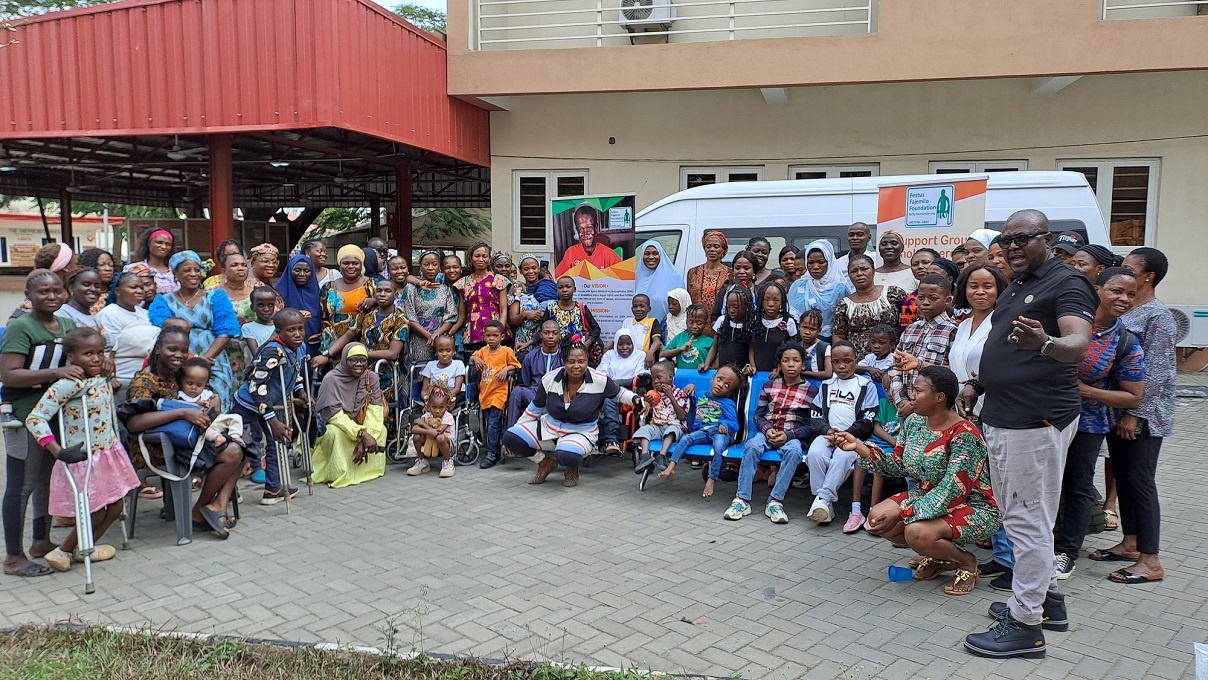
The SLIF Project equips children with Spina Bifida across Nigeria with life-changing continence care — training health workers, establishing clinics, and directly reaching over 300 children with quality, free interventions.
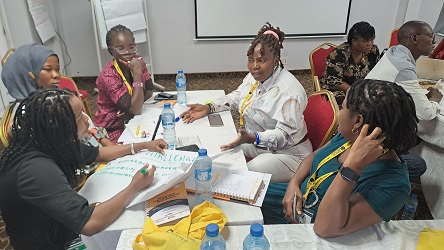
Continence Clinics Across Nigeria
11 public health facilities · 120 health workers trained · 300+ children reached
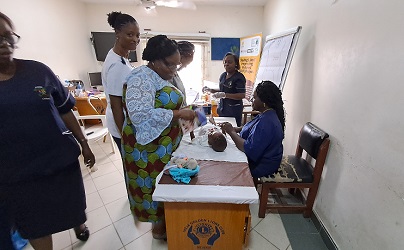
Quality Continence Care for Every Child
Spina Bifida · SLIF Project Nigeria
Improving
Futures
Why Continence Care Cannot Wait
All children born with Spina Bifida will have a neuropathic (nerve-damaged) bladder and bowel. Without continence intervention, a significant proportion will experience kidney problems — which, without treatment, result in renal failure.
Most affected children wet and soil every day. Without high-quality absorbent materials, skin sores develop into deep wounds that are almost impossible to heal. The SLIF Project exists to break this cycle and give these children a genuine future.
The Consequences of Untreated Incontinence
Kidney Damage & Renal Failure
Without continence intervention, a significant proportion of children with Spina Bifida will develop kidney problems. Left untreated, these lead directly to renal failure — a life-threatening outcome that is entirely preventable with proper care.
Skin Sores & Deep Wounds
In the absence of good quality, highly absorbent disposable nappies or pads, skin soreness is unavoidable. For some children, these sores develop into deep wounds that are extremely difficult — and costly — to heal.
Social Stigma & Exclusion
Daily wetting and soiling creates a profound social burden — children face exclusion from school, community life, and opportunities. Effective continence management directly enables participation, dignity, and belonging.
The Nigerian Context
In developing countries like Nigeria, the challenge of incontinence is compounded by high levels of poverty, profound cultural and spiritual stigmas, a scarcity of medical equipment and trained personnel, and chronically poor government funding of the health sector — making external intervention from organisations like FFF absolutely critical.
Four Areas of
Continence Management
Clean Intermittent Catheterisation
CIC involves draining the bladder on a regular, scheduled basis to reduce the risk of urinary tract infection (UTI) and kidney damage. It is the cornerstone of bladder management for children with Spina Bifida and is taught to carers and health workers across all project facilities.
Bowel Washouts
Bowel washouts evacuate faeces daily to prevent soiling and avoid a build-up of stool in the lower bowel, which can have a direct negative impact on bladder health. Consistent bowel management is critical for overall continence and quality of life.
Measuring Bladder Pressure
Monitoring the pressure within a child's bladder allows clinicians to document bladder behaviour and accurately measure the success of ongoing treatment. This evidence-based tracking is essential for adjusting care plans and protecting long-term renal function.
Instillation of Oxybutynin
Oxybutynin is an anticholinergic medicine that reduces bladder overactivity by relaxing bladder muscles. This directly reduces wetting incidents and, crucially, helps preserve renal function over the long term — one of the most impactful single interventions in the SLIF toolkit.
From Launch to National Expansion
SLIF Project Launched — FFF & Shine UK
Festus Fajemilo Foundation and Shine UK launched the Saving Lives! Improving Futures (SLIF) Project to address the continence care crisis for children with Spina Bifida in Nigeria, with founding support from a coalition of international donors.
Deepening Continence Capacity Across Partner Hospitals
Over the initial years of the project, FFF and Shine UK worked closely with partner hospitals to train health workers, distribute continence kits, and develop clinical protocols for Spina Bifida continence management — building a sustainable foundation for scale.
UK DHSC Grant Expands SLIF to More Facilities & Regions
In February 2024, FFF and Shine UK secured a major grant from the UK Department of Health & Social Care (DHSC) under the Global Health Workforce Programme, managed by Global Health Partnerships and Ducit Blue Solutions. This enabled a significant expansion of SLIF across Nigeria, targeting more children with quality continence care.
11 Public Health Facilities Across Nigeria
Lagos University Teaching Hospital
Lagos State University Teaching Hospital
University College Hospital
Obafemi Awolowo University Teaching Hospital Complex
University of Benin Teaching Hospital
Rivers State University Teaching Hospital
Federal Medical Centre, Umuahia
University of Abuja Teaching Hospital
Usmanu Danfodiyo University Teaching Hospital
University of Ilorin Teaching Hospital
University of Nigeria Teaching Hospital
Nationwide Geographic Reach
SLIF facilities now span five of six geopolitical zones, ensuring children with Spina bifida across Nigeria have access to quality continence care close to home.
Project Resources & Documentaries
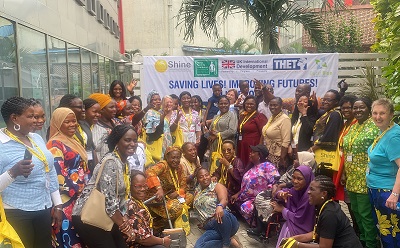
SLIF Project — Full Documentary
Watch the full documentary showcasing the learning and impact of the SLIF Project across Nigeria — featuring clinicians, families, and children whose lives have been transformed.
Watch on YouTube →
SLIF Project Jingle
A purpose-built educational jingle produced as a sustainable resource for continuous community education about continence care and Spina Bifida management in Nigeria.
Watch on YouTube Shorts →Help Us Reach Every Child Who Needs Care.
SLIF runs entirely on donor support. Your contribution directly funds health worker training, continence kits for children, and the establishment of new clinics across Nigeria.
Trusted Partners & Members