Breaking All Barriers:
Sexual & Reproductive Health Rights
for Young Persons with Disabilities.
An 18-month FFF initiative training adolescent advocates to champion the Sexual and Reproductive Health Rights of young people with disabilities — reducing stigma, building self-esteem, and driving policy change from the ground up.
Empowering Young People to Know Their Rights.
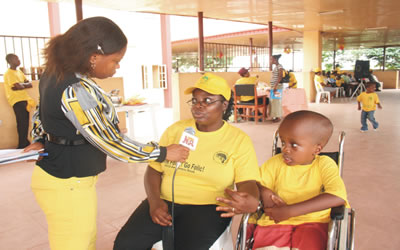
The Breaking All Barriers (BAB) project was born out of FFF's passion for the holistic development and well-being of children and young persons with disabilities. It addresses a critical, often-ignored gap: the Sexual and Reproductive Health Rights (SRHRs) of young people with disabilities in Nigeria.
Designed in partnership with the Centre for Youth Studies and funded by VOICE — the Ministry of Foreign Affairs of the Netherlands through Oxfam Novib and Hivos — BAB uses a peer-led advocacy model to create lasting change from within secondary schools and communities.
The peer-to-peer model works: BAB trains 210 secondary school students in Agege LGA as adolescent SRHR advocates. These students then train peers with disabilities, creating a self-sustaining ripple of knowledge, rights awareness, and advocacy through BAB Clubs established in each target school.
What BAB Is Designed to Achieve
BAB takes a multi-pronged approach — improving public understanding, building advocacy capacity, and strengthening the confidence of young persons with disabilities themselves.
Improve Public Understanding
Raise awareness among the general public of the Sexual and Reproductive Health Rights of young persons with disabilities and the discrimination they face in pursuing those rights.
Promote Policy & Treaties
Educate communities and stakeholders on existing international treaties and national instruments protecting the Sexual and Reproductive Health Rights of young persons with disabilities.
Sustained Societal Awareness
Maintain visibility and community acceptance of young persons with disabilities through organised forums, publications, and coordinated social media outreach campaigns.
Strengthen Advocate Networks
Build a durable network of young adult advocates — especially young people with disabilities — equipped to sustain social and policy advocacy on SRHR issues beyond the project period.
Build Self-Esteem & Life Skills
Increase the capacity of young persons with disabilities to develop improved self-esteem, confidence, and practical life skills through structured training programmes.
Advocate for SRHR Inclusion
Create multi-stakeholder forums to access and improve understanding of disability issues and SRHR challenges, promoting the human rights and dignity of every young person with a disability.
Peer-Led Advocacy That Scales from Within.
BAB deploys a deliberate cascade model — training a cohort of students who train their peers, building a self-sustaining ecosystem of SRHR advocates embedded in schools across Agege LGA.
School-Based Guidance Counsellors
FFF works with trained guidance counsellors in target secondary schools as the primary channel for delivering the BAB curriculum to students.
210 Adolescent Advocates Trained
Secondary school students in Agege LGA are trained as SRHR advocates — gaining knowledge of rights, legal frameworks, and advocacy techniques.
Peer-to-Peer Training with Disabled Students
Trained advocates then deliver SRHR education to their peers with disabilities — creating accessible, relatable learning that resonates with their lived experience.
Establishment of BAB Clubs
A BAB Club is established in each target school — a permanent, structured space for ongoing advocacy, peer education, and community engagement.
Multi-Stakeholder Forums & Policy Advocacy
BAB convenes government authorities, parents, healthcare workers, and educators to assess understanding and collectively advance the rights of young persons with disabilities.
duration
trained
target school
Ministry of Foreign Affairs
Club Objectives: Advocacy from the Inside
BAB Clubs are the engine of the project — permanent structures in schools that ensure SRHR advocacy for young people with disabilities continues long after the project period ends.
Stakeholder Awareness
Create awareness amongst government authorities and other stakeholders on the rights of young persons with disability — especially their Sexual and Reproductive Health rights.
Multi-Stakeholder Forums
Convene forums to assess the level of understanding of disability issues and the SRHR challenges faced by young persons with disabilities across communities.
Train SRHR Advocates
Train and raise advocates for Sexual and Reproductive Health rights of young persons with disabilities, building a durable advocacy pipeline within schools.
Promote Human Rights & Respect
Actively promote the respect and human rights of young persons with disabilities, countering discrimination and stigmatisation in school environments and communities.
Collective Action & Re-orientation
Re-orient stakeholders — parents, teachers, community leaders — for collective action in support of young persons with disability pursuing their SRHR rights.
Youth with Disabilities as SRHR Advocates
Ultimately, train young persons with disabilities to become SRHR rights advocates for their own peers — transforming them from recipients into leaders of change.
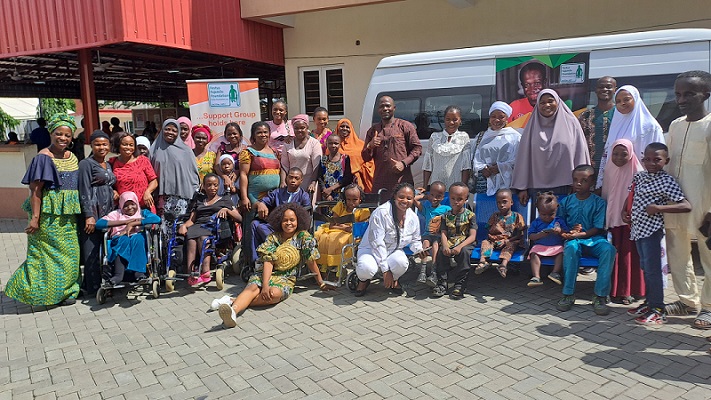
BAB on the Ground
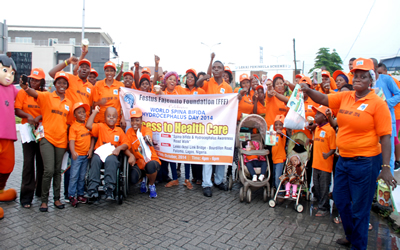
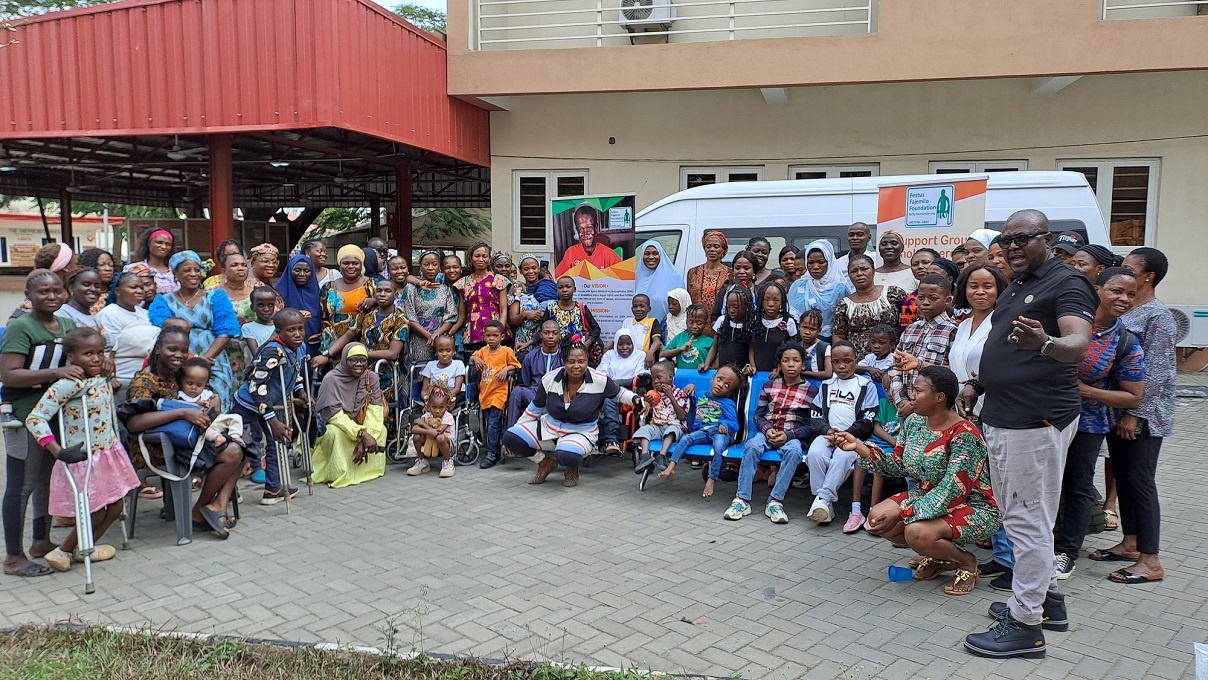
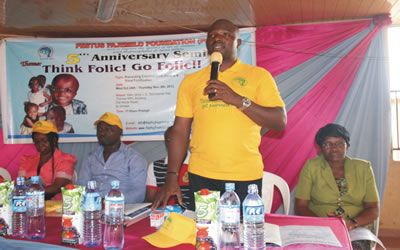
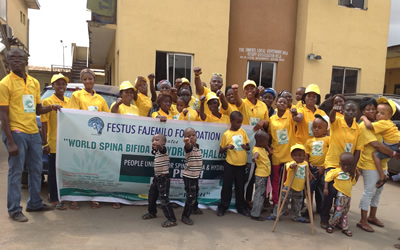
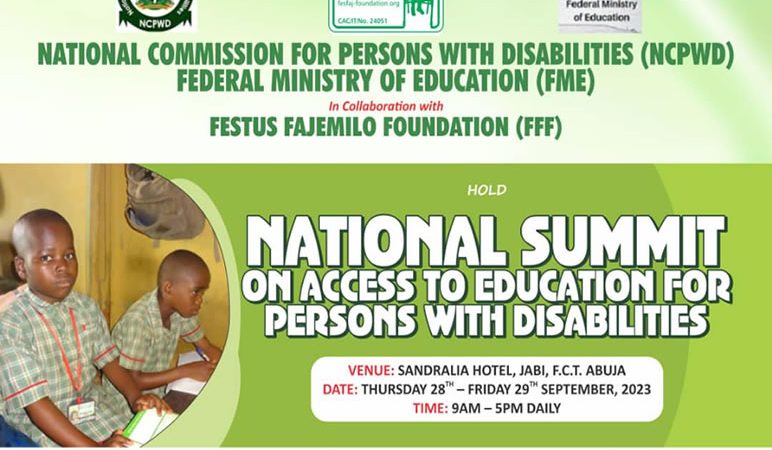
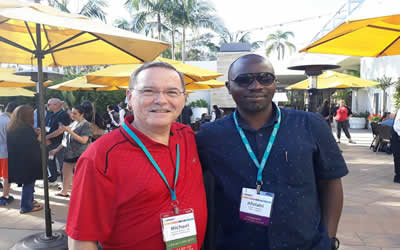
Images from advocacy forums, peer training sessions, and community engagement activities carried out under the Breaking All Barriers project across Agege LGA, Lagos.
BAB's Vision & Mission
Two clear commitments guide every activity of the Breaking All Barriers project.
Inclusion in Sexual & Reproductive Health Care
To promote the full inclusion of young persons with disabilities in Sexual and Reproductive Health care services — and by extension, to encourage the integration of their sexual and reproductive rights in National Strategies and programmes across Nigeria.
Raising Awareness, Reducing Discrimination
To raise awareness of the Sexual and Reproductive Health Rights of young persons with disabilities among the general public — and to reduce the discrimination and stigmatisation they face in the pursuit of their fundamental rights to healthcare, dignity, and self-determination.
Help Young People Know & Claim Their Rights.
The Breaking All Barriers project depends on sustained funding to train advocates, run BAB Clubs, convene stakeholder forums, and ensure young persons with disabilities have access to the SRHR education they deserve.
- Funds peer-to-peer advocacy training sessions
- Supports BAB Club establishment and operations
- Enables multi-stakeholder forums and policy engagement
- Finances life skills training for youth with disabilities
- Covers publication and social media outreach
- 100% of donations go directly to programmes
Project Partners & Funders